
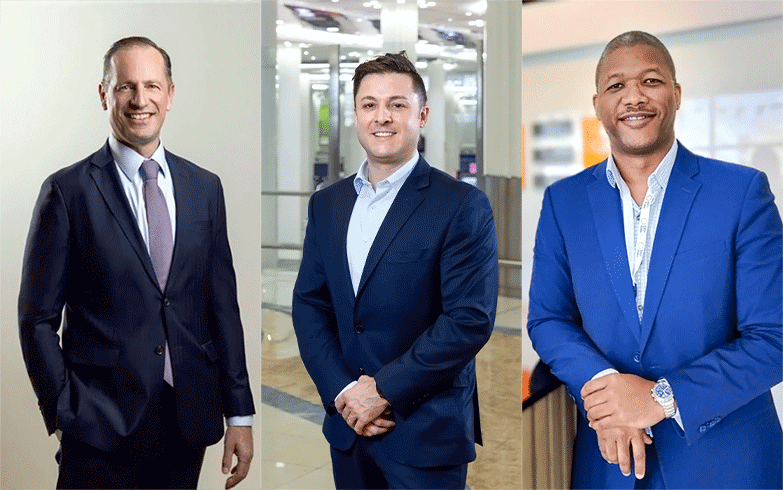
After the initial Iranian missile strikes on the UAE, Markus Oberlin, Group CEO of total FM company Farnek, immediately convened the company’s executive emergency response coordination group.
Decisive action needed to be taken, which would allow the company to establish a common operating strategy across the organisation to ensure that communication between senior leadership, operations teams, and supervisors on the ground was timely, clear and consistent.
Here Oberlin explains in more detail, how this was achieved.
Farnek is currently operating under what we describe internally as ‘heightened monitoring and controlled operations.’ In practical terms, that means Farnek is closely monitoring developments in the UAE and the wider region, while maintaining business continuity across our various projects.
Although we are not in full crisis mode yet, as an organisation, we fully and readily support our clients operating in elevated threat-level environments, while constantly monitoring our own impact readiness. Changes in site risks, conditions and manpower fluctuations are not unusual to us and so our response has not escalated to crisis level, at this time.
So, while some individual client sites have experienced serious disruption or are operating under precautionary restrictions, our formal escalation triggers for full internal crisis management have so far not been met. We have not had any serious injuries to our personnel, nor any damage to our assets, and no material disruption to our ability to deploy teams and deliver services. Under normal business continuity frameworks, including ISO 22301, that distinction matters.
However, what we have done is to activate our business continuity plan, by reinforcing a strong leadership presence, monitoring and communication rhythm with our teams. Senior management and supervisory staff remain highly visible across all client sites and staff accommodation. That physical presence is essential…employees want to see their leaders engaged, calm, and informed, especially during intense periods of uncertainty.
Technology is also playing a vital role in keeping Farnek’s project teams safe. Farnek Group company HITEK AI, is using its digital platforms to help strengthen operational resilience during these uncertain times, by enabling remote coordination and remote working for certain administrative and operational teams. Functions such as reporting, planning, and system monitoring can continue off-site when required, allowing teams to remain productive while minimising unnecessary movement.
Smart building technologies also allow remote monitoring of critical building systems and infrastructure, enabling engineering teams to oversee asset performance and identify issues at distance, without constant physical presence on site, while still supporting continuity of services across different projects.
Julian Khalil, Managing Director at Farnek commented, “Our priority is the safety and wellbeing of our employees while maintaining essential services for our clients across the UAE. Through strong supervision, clear communication and established procedures, our teams continue to deliver services reliably while supporting our workforce during this period.”
In terms of staff welfare, Farnek’s approach has been forthright: clear information, strong engagement, and practical support.
We’ve been issuing regular internal updates to staff, sharing verified information from government advisories and operational guidance from clients. The goal is simply to keep people informed and avoid unnecessary speculation, especially from spurious reports and videos on social media. We have also been communicating frequently with employees regarding flight availability, whether it’s annual leave, staff already overseas that were due to return to work and other issues such as compassionate leave.
Moreover, Ryan Mitchell, Farnek’s Director of QHSEW, who has been instrumental throughout, is conducting additional team briefings, particularly in locations such as Farnek Village where over 5,000 employees are accommodated. These sessions cover alarm systems, evacuation drills, and general situational awareness.
“Nothing dramatic… just reinforcing that everyone understands and remembers the procedures that are already in place,” said Mitchell.
We also introduced a short workforce feedback channel to gauge how employees are feeling and whether they need any emotional support. Staff may look fit and healthy, but this mechanism allows workers to request access to confidential emotional support if needed. It is also easy to forget that many employees are receiving what can be upsetting calls and messages from worried family members thousands of miles away, which can often increase stress levels.
Another important aspect is maintaining a sense of normality whenever possible. With over 10,000 employees, our workforce is both considerable and diverse, prolonged uncertainty can be distressing. So, where conditions permit, we will continue to organise social engagement activities, such as sports, small community events, and informal gatherings.
Of course this is particularly relevant now, during the holy month of Ramadan. In support, we are ensuring that project teams have the flexibility they need for prayers and religious observance, and obviously we will continue to organise Iftar in our staff canteens.
In addition to Iftar, we are also preparing for the Eid Al Fitr celebrations. It is important to create a sense of unity and community spirit amongst all employees, which during a tense period, can have a profound and positive effect on staff morale.
-Ends-